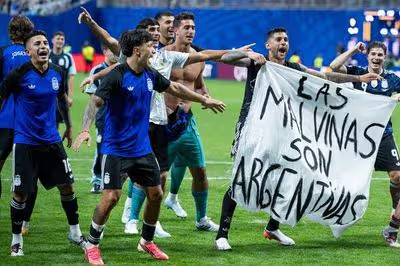
England's defeat by Argentina was overshadowed by post-match images of Argentine players holding a banner reading "Las Malvinas Son Argentinas," transforming sport into a diplomatic flashpoint. The result exposed England's late tactical retreat, left supporters furious, and reignited Falklands/Malvinas tensions — prompting calls for a formal FIFA review and renewed debate about where politics should end and football begin.
England v Argentina: result and immediate fallout
England's loss to Argentina will be remembered as much for what happened after the final whistle as for the football itself. The match ended with Argentina celebrating on the field, but images of players displaying a banner referencing the Falklands — “Las Malvinas Son Argentinas” — shifted the narrative from sport to geopolitics almost instantly.
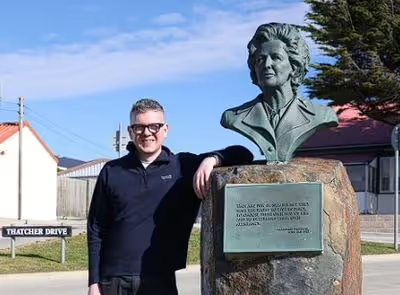
That sight has left English fans feeling aggrieved and talking points focused beyond tactics or form.
How the game unfolded
England began competitively but lost control in the closing moments, adopting a conservative posture that invited Argentina back into the contest. The shift in tempo and possession altered the balance, and England’s inability to press or sustain attacking momentum proved decisive. For supporters and analysts, the key question is whether the tactical caution was strategic prudence or a costly misread of the match.
What the tactical choices mean
When a team concedes initiative, the opposition with momentum and world-class attackers can turn minor openings into match-winning moments. England’s retreat highlighted recurring issues: substitutions that failed to change the dynamic, and a training-room blueprint that sometimes prizes risk avoidance over proactive responses. Those are managerial and squad selection debates that will dominate the months ahead.
The Malvinas banner: when football and politics collide
The banner — and the celebrations around it — made clear that some players and supporters treated the victory as more than a sporting achievement. The Falklands/Malvinas dispute is an emotive, long-running historical grievance; when it appears on the pitch, it brings diplomatic sensitivities into a space many expect to be apolitical.
Why it matters
Images of political messaging in a football context degrade the sport’s capacity to unite diverse fanbases. They also place governing bodies like FIFA in an awkward position: respond too harshly and risk accusations of suppressing expression; do nothing and set a precedent for future incursions of geopolitics into matches. Either route carries reputational consequences.
Fan culture, national identity and the line between banter and provocation
Fans on both sides deploy songs and chants that draw on history and rivalries; most remain confined to terraces and, crucially, don’t involve players. When national identity is invoked by athletes who earn their living in rival nations’ leagues, perceptions of hypocrisy and disrespect grow. That disconnect fuels anger and undermines the goodwill football can generate.
Responsible leadership on and off the pitch
Clubs and national teams must reaffirm clear codes of conduct. Players with international followings and club ties in rival countries carry additional responsibility: celebrations that smuggle in political slogans risk inflaming relations between fanbases and geopolitical actors. A principled stance — discouraging political displays while promoting respectful celebration — protects the sport’s integrity.
What should football’s governing bodies do?
This episode should trigger a measured review rather than headline-driven punishment. FIFA and national associations need clear, enforceable guidelines on political expression at matches and consistent application when breaches occur. Sanctions, if warranted, should be proportionate and focused on deterrence, not theatrical retribution.
Looking ahead: lessons for England and Argentina
For England, the tactical lessons are straightforward: be bolder when in control and sharpen in-game adjustments. For Argentina, the triumph is undeniable on the pitch, but players and staff must recognize the wider responsibilities their platform entails. Both nations will face each other again; mutual respect and better boundary-setting would serve the rivalry — and football — far better than political grandstanding.
Final thought
Sport thrives when competition is fierce but fair, and when the pitch remains a sanctuary from geopolitical rancor. The recent match delivered drama and high-level football, but the post-match scene diluted the sporting achievement.
The healthier outcome for all involved is a return to contests decided by tactics, talent and temperament — with politics left to diplomats.
 Express