Introduction
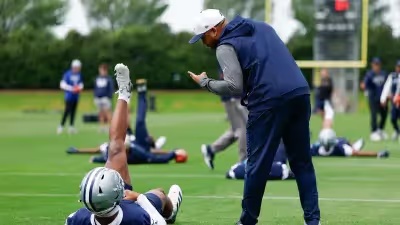
The Dallas Cowboys' approach to media access during their training camp in Oxnard has sparked contrasting opinions within the team. As the franchise adopts a high-profile, entertainment-driven strategy, the differences in viewpoints between new defensive coordinator Christian Parker and head coach Brian Schottenheimer reveal a complex balancing act between tactical secrecy and public relations.
Christian Parker's Reservations
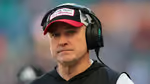
Christian Parker, the Cowboys' defensive coordinator, has openly expressed his discomfort with the team's current media policies. Speaking on 105.3 The Fan, Parker emphasized his concerns over how the unrestricted filming of practices might provide competitive advantages to opposing teams. "It's weird. Not a fan," Parker stated, highlighting his apprehension towards the extensive media presence and fan access that could reveal tactical nuances before they are solidified through regular-season gameplay. Parker's perspective is rooted in his experience with other NFL franchises, where limiting media access helped prevent opponents from gaining early strategic insights. This awareness of potential vulnerabilities led to a brief attempt to restrict media access at the Cowboys’ camp, a move that, albeit short-lived, demonstrated Parker's initial intentions to tighten practice operations. However, the restrictions were quickly lifted, aligning once more with the organization’s tradition of openness.
Brian Schottenheimer's Defense
Head coach Brian Schottenheimer offers a contrasting viewpoint, embracing the media access as a positive dimension of the Cowboys' identity. According to the Dallas Morning News, Schottenheimer believes that the availability of decades worth of game footage renders the access less impactful strategically. "We all have each other's playbooks... It's not like they're showing it from a game standpoint," he commented, suggesting that the exposure does not significantly alter competitive dynamics. For Schottenheimer, the media presence helps magnify the Cowboys' brand, which he views as beneficial rather than detrimental. This approach aligns with his understanding that NFL teams already share extensive knowledge about each other, reducing the novelty of any revelations that may come from training camp footage.
Jerry Jones' Philosophy
The overarching media strategy seems to converge with Jerry Jones' well-documented philosophy of keeping the Cowboys perpetually in the spotlight. Known for his belief that the franchise thrives on being a year-round spectacle, Jones allows and even encourages extensive media access, reinforcing the Cowboys’ image as a “soap opera.” This exposure not only draws fans in large numbers but also aligns with Jones’s perspective that increased publicity fuels the team's allure and market presence. As a result, any temporary attempts to curtail media access at training camp quickly succumb to this broader organizational philosophy.
Implications and Unanswered Questions
The divergent views on media policy within the Cowboys' hierarchy highlight an unresolved tension between safeguarding competitive secrecy and maintaining a high-profile public facade. While Schottenheimer's acceptance of media scrutiny seems to prevail currently, Christian Parker’s concerns echo a fundamental debate on how to manage exposure without compromising strategic integrity. Ultimately, the situation raises important questions about the long-term implications for team strategy and success. Can the Cowboys maintain this level of openness and still achieve their competitive goals? How will internal differences of opinion evolve as the season progresses? These questions remain open as the team continues to navigate the intersection of sports and media in today's NFL landscape. The Dallas Cowboys’ case serves as a microcosm of the broader NFL discussion on balancing public relations with tactical privacy, an issue that will likely endure as teams strive to align their performance imperatives with a growing demand for transparency and entertainment.