Immediate status and what unfolded on the field
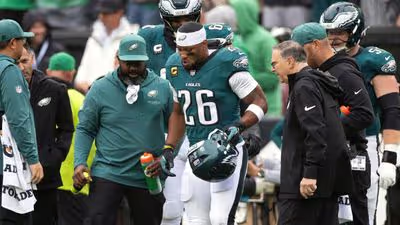
Saquon Barkley pulled up lame on a carry against the Los Angeles Rams and the team announced he has a hamstring injury and is questionable to return. Medical staff tended to Barkley on the sideline before he headed to the locker room, and the questionable tag keeps the door open for him to return during the game.
Visuals from the play showed Barkley limping after the run and walking off without an emphatic stride, a scene that, as Yardbarker noted, “didn’t exactly inspire confidence.” That observation underlines why the questionable designation feels precarious despite the formal status: the optics of the sideline exit left many unsure whether a midgame recovery is realistic.
How the Philadelphia Eagles must adjust if Barkley can’t go
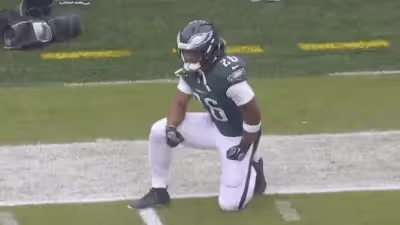
The Philadelphia Eagles already face roster strain against the Rams, with DeVonta Smith and Lane Johnson unavailable for the matchup. Those absences reduce offensive flexibility heading into the middle of the game, and Barkley’s uncertain status compounds the challenge.
If Barkley is unable to return, the Eagles will need to pivot. Yardbarker projects the team would have to lean on the rest of the backfield to finish the job against Los Angeles, forcing a heavier rotation of running options and possibly a greater reliance on quick passing and short-yardage sets to replace the production and burst Barkley typically supplies.
Numbers entering the game underline what’s at stake. Barkley entered Week 4 with 34 carries for 174 yards and had not yet recorded a touchdown this season, leaving the Eagles without one of their most consistent rushing producers should he remain sidelined.
Loss of Barkley for any stretch would change how the offense attacks the Rams. Yardbarker’s assessment that Barkley is “the engine of the Eagles’ offense” captures the practical effect: his ability to generate chunk runs and create favorable blocking angles for receivers alters defensive priorities, and without him the offense is likely to see fewer explosive rushing opportunities and more predictable play-calling.
Coaches will have to weigh short-term game-management decisions—third-down personnel packages, two-minute-drive sequencing and clock-management choices—against longer-term player health. That balancing act is heightened by the club’s existing injuries; sustaining drives and avoiding turnovers will become even more critical if the primary running threat is limited or absent.
For now, the official status remains “questionable to return.” The team’s update and the in-game visuals give the Eagles a narrow window: a return would be a significant lift, but the sideline sequence that followed the play leaves the situation unsettled as Philadelphia prepares for the next phases of the Rams matchup.