Trade details and the immediate offensive-line impact
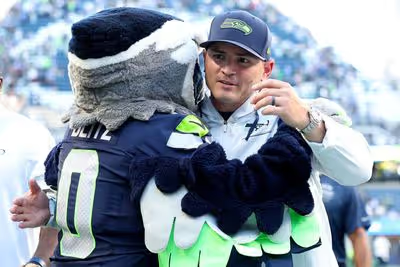
The Seattle Seahawks acquired eight-time Pro Bowl guard Quenton Nelson from the Indianapolis Colts, sending a 2027 third-round pick and a 2028 fifth-round pick to Indianapolis in the deal. The addition of Nelson instantly strengthens Seattle’s interior line and gives the team a veteran anchor inside.
Newsweek projects the move will prompt a reshuffling up front, with 2025 first-round pick Grey Zabel expected to slide from left to right guard and Jalen Sundell penciled in at center. That projected alignment, Newsweek notes, is one reason the interior suddenly looks among the NFC’s stronger groups.
Sports Illustrated called Nelson’s arrival “an instant improvement” to the Seahawks’ offense and offensive line, describing the move as a step toward shoring up an area that had shown a slight regression this season. Yahoo! also highlighted Nelson’s pass-protection value and suggested his presence adds lineup flexibility for Seattle.
What the trade means for the Seahawks’ running game
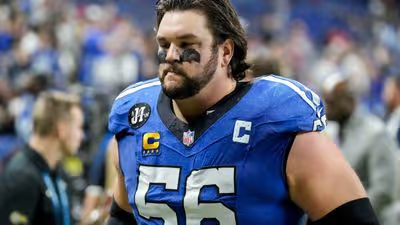
Improving the interior should, in theory, help the run game. Newsweek framed the projected guard shuffle as something that “will presumably make running the ball easier” for Seattle’s backs, while Sports Illustrated and Yahoo! emphasized Nelson’s potential to stabilize both pass protection and run blocking.
Despite the upgrades, Sports Illustrated cautioned that the Seahawks might not be finished making moves — the outlet said Seattle “might still be in the market for a new starting running back or a great backup running back.” That opinion follows observable roster context: veteran Zach Charbonnet is in his second week of practice and rookie Jadarian Price recently returned from a chest injury, moves that leave room for questions about depth and immediate production from the position.
Sports Illustrated added that there are “still some questions with the running game, leading to the possibility of a trade.” Those comments frame the Nelson acquisition as part of a larger offensive adjustment rather than a complete solution to Seattle’s backfield issues.
How Nelson changes personnel choices and play design
With Nelson inside and the expected Zabel–Sundell shift, Seattle gains more flexibility in how it builds protections and schemes run lanes. Yahoo! argued that Nelson’s pass protection is a significant part of his appeal and that his presence could be a key to keeping the championship window open — a view that underscores how the move affects both running- and passing-game plans.
On the ground, a sturdier interior gives the Seahawks more options: they can emphasize inside-zone or power schemes that leverage strong guard play, or use quicker-hitting run concepts knowing the pocket will be steadier for play-action. Whether Seattle tilts its play-calling toward more downhill running or keeps a balanced script will likely hinge on how Charbonnet and Price perform now that both are back on the practice field and whether the team adds personnel in the coming days.
Roster implications and the market for backs
Sports Illustrated’s assessment that Seattle “might still be in the market” for a running back is notable because it preserves uncertainty. The Seahawks have reinforcements returning to practice, but SI framed the trade for Nelson as complementary to, not a replacement for, potential backfield reinforcements.
If Seattle pursues a back, the team would be doing so from a position of improved interior blocking; that could raise the ceiling for a short-yardage or between-the-tackles runner. Conversely, adding a shifty change-of-pace back would allow Seattle to exploit Nelson’s strengths in pass protection and interior movement. Those are tactical choices the front office and coaching staff will have to weigh against available options on the trade market or free agent slate.
For now, the roster picture reads as one of partial resolution: the Seahawks have upgraded their trench play dramatically by adding Quenton Nelson, an addition that Newsweek and Sports Illustrated describe as strengthening the interior and improving the offense overall. At the same time, both outlets — and Yahoo! in its broader commentary — leave open the possibility that Seattle will continue to tinker, particularly if the running game does not stabilize with Charbonnet and Price back in the mix.
Nelson’s arrival is a clear statement of intent to protect the quarterback and shore up internal front play; whether it becomes the catalyst for a larger offensive identity shift or simply a high-end fix inside depends on how Seattle addresses the remaining questions at running back. Sports Illustrated, Newsweek and Yahoo! each frame the Nelson move as important, but not necessarily the final piece. The Seahawks’ next steps — personnel decisions and play-calling adjustments — will determine how far that upgrade carries them this season.