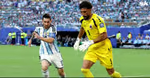
Lionel Messi has drawn sharp social-media criticism after footage from the 2026 World Cup final showed him appealing for a foul and a review involving Nicolás Tagliafico moments before Enzo Fernández received a red card in Spain’s 1-0 extra-time win — a clip that has reignited debate over gamesmanship at the highest level.
Messi criticised after World Cup final protest
Lionel Messi's conduct in the 2026 World Cup final has become a focal point after video emerged of him pointing to Nicolás Tagliafico and pleading for a review immediately following an incident that resulted in Enzo Fernández's red card. The footage prompted strong reaction online and raised fresh questions about on-field appeals and sportsmanship in elite matches.
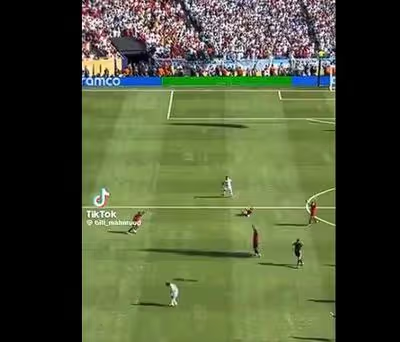
What happened on the pitch
The final between Spain and Argentina was decided in extra time by Ferran Torres' 106th-minute strike. Earlier, an aggressive challenge by Enzo Fernández on Pau Cubarsi led to Fernández being sent off. Seconds later Tagliafico hit the turf despite there being no clear contact with an opponent, and Messi was seen urging the referee to look at that sequence — indicating he believed a foul had occurred in the build-up.
Messi had also been involved earlier in the match in a dispute over Marc Cucurella, whom he protested should be dismissed after the Spanish defender covered his mouth while communicating on the field.
Social media backlash
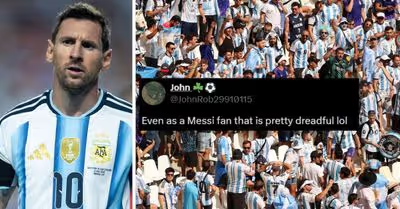
Fans and commentators reacted quickly on social platforms, with many condemning what they described as theatrical behaviour. Criticism ranged from disappointment — that a player of Messi’s stature would appear to embellish contact — to broader questions about whether such acts diminish the spirit of the game.
The volume and vehemence of the response underline how moments of perceived gamesmanship by elite players invite disproportionate scrutiny, especially in a World Cup final watched by a global audience.
Messi’s response and tournament form
In the aftermath, Messi addressed his emotions directly: "The pain is immense, it will take time for this wound to heal," he wrote, thanking supporters and reflecting on the tournament's highs despite the defeat. The 39-year-old finished the competition among the leading attackers, scoring eight goals and supplying four assists — numbers that underscore his continued influence even as questions swirl about his future with the national team.
Spain’s extra-time winner secured the trophy, and the red card incident remains a major talking point from a match defined by tight margins and fine margins of judgment.
Why this matters
At stake is more than a single controversial moment. For Messi, the clip chips at an otherwise exceptional legacy built on brilliance and competitiveness; for football, it fuels ongoing debates about simulation, referee management, and the limits of player appeals. The incident could influence how referees and VAR teams handle similar situations in future high-stakes matches.
For Argentina, the loss ends a deep World Cup run and signals a juncture: the squad must regroup, and senior figures will confront questions about leadership, discipline and how to balance competitive edge with fair play.
Looking ahead
Messi is expected to make a decision on his international future in the coming months. Regardless of that choice, his tournament output reinforced his standing as one of the game's all-time performers. Spain, meanwhile, go into the post-World Cup period as champions, their victory shaped as much by single decisive moments as by sustained tactical discipline.
Bottom line
The image from the final — Messi appealing for a review in a sequence that many judged to be overplayed — will linger. It complicates the narrative of an otherwise historic tournament for Argentina and serves as a reminder that even the greatest players can face damaging optics.
Take the Northeastern test: spot World Cup teams by their unique pass-cluster fingerprints
The football world will watch closely how Messi, Argentina and match officials respond next.
 Sportskeeda