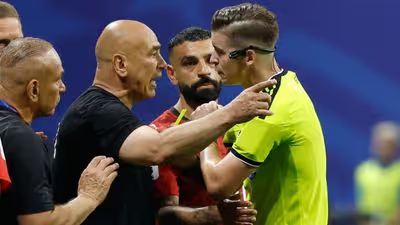
Egypt’s football federation has publicly accused match officials and VAR of tilting the Round of 16 clash against Argentina after a 3-2 comeback erased a 2-0 Egyptian lead. The EFA says the disallowed second goal and a cluster of key decisions directly changed the result, demanding accountability and renewed scrutiny of refereeing standards at the World Cup level.
EFA blasts officiating after Argentina comeback in World Cup Round of 16
Egypt exited the World Cup 3-2 after Argentina scored three unanswered goals in a 13-minute span, overturning a 2-0 deficit. The Egyptian Football Association (EFA) called the officiating “unfair and biased,” highlighting a VAR intervention that wiped out Marwan Attia’s goal for an alleged foul on Lisandro Martínez.
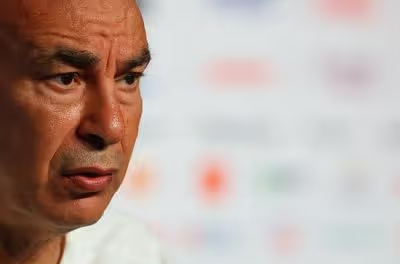
The EFA says that faulty application of VAR and several pivotal decisions altered the game’s course.
What happened on the pitch
Egypt looked in control after Mostafa Ziko’s second-half strike put them 2-0 up. Argentina, led by Lionel Messi, then flipped the game: Cristian Romero scored in the 79th minute — a goal set up by Messi — and Argentina added two more to complete the comeback, the decisive strike arriving two minutes into stoppage time. Tensions boiled over as Egypt’s staff and players received multiple bookings and the goalkeeping coach, Saafan Elsaghir, was shown a red card.
VAR controversy: the disallowed Attia goal
The most incendiary moment for Egypt was the annulled second goal after a VAR review concluded Marwan Attia fouled Martínez. The EFA alleges the referee and VAR team failed to use the system appropriately, producing a decision that changed momentum and, ultimately, the match result. The episode underlines ongoing criticisms about VAR’s consistency: its value hinges on transparent, clearly justified interventions — anything less fuels grievance, especially in knockout matches.
How Argentina shifted momentum
Argentina’s comeback combined elite individual quality with tactical pressure. Messi’s influence is obvious — his role in the Romero goal broke Egypt’s defensive nerve — and Argentina’s experience in pressure moments showed. Egypt’s defensive structure that held firm for most of the match showed cracks under sustained attack, and the psychological swing after the overturned goal was decisive. This match reinforces how quickly momentum can flip in elite tournaments.
Disciplinary fallout and on-field tempers
The post-match flare-ups — including Hassan’s X gesture signaling abuse concerns and the red card for Egypt’s goalkeeping coach — reflect more than frustration over refereeing. They expose a team and nation feeling aggrieved on football’s biggest stage. While passion is expected, such conduct invites disciplinary review and distracts from constructive avenues for protest, like formal complaints and video appeals.
Why this matters beyond a single match
The EFA’s statement is significant for African football and for World Cup officiating credibility. Allegations of inconsistent VAR use at the knockout stage threaten the competition’s integrity and fan trust. At the very least, the case should prompt clearer guidance on VAR protocols and better communication from match officials. For Egypt, the episode will linger as both a sporting near-miss and a moment of perceived injustice.
What to watch next
EFA’s public denunciation signals it may push for official reviews or clarifications from FIFA and the refereeing bodies. Expect scrutiny of the VAR footage and post-match explanations from the officiating authorities. For Egypt, the immediate task is post-tournament assessment: refine tactical resilience, manage disciplinary fallout, and channel disappointment into structural progress for future competitions.
After marathon Wimbledon win, Djokovic quips about Messi as both redefine sporting prime
For the World Cup, the match serves as a reminder that technology can only strengthen the game if applied consistently and transparently.
 Sportsnet