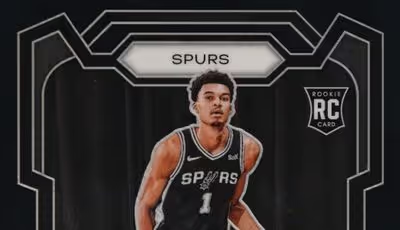
Victor Wembanyama’s 2023-24 Panini Prizm Black one-of-one rookie card (PSA 10) sold privately for $5.11 million, setting a record for the most expensive known non-autographed NBA card. The transaction, brokered in the high-end collectibles market, underscores Wembanyama’s perceived long-term value and highlights rising investor demand amid grading controversies and a wave of multimillion-dollar sports-card sales.
Wembanyama rookie card sells for $5.11 million
Victor Wembanyama’s 2023-24 Panini Prizm Black parallel one-of-one rookie card, graded Gem-Mint PSA 10, changed hands in a private transaction for $5.11 million. The sale is the highest known for a non-autographed NBA card and ranks among the top public sales across the sports-card market.
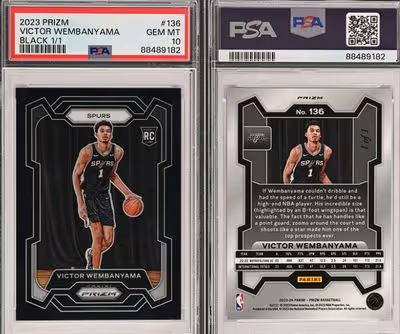
What exactly sold
The item is a singular Black parallel of Wembanyama’s Panini Prizm rookie, stamped PSA 10. Its one-of-one status combined with a top grade makes it uniquely scarce — a “grail” level asset for collectors who prize rarity and pristine condition.
Why buyers paid a premium
Wembanyama’s combination of size, skill and upside has translated from on-court hype into card-market demand. Collectors view this card as the best Wembanyama rookie available: unrivaled scarcity, top grading and broad notoriety. The lack of officially licensed autographed rookie cards — a byproduct of licensing deals during his rookie season — further concentrates value on rare non-auto parallels.
Grading controversy and reputational risk
The card’s history includes a brief controversy after a public break and a celebratory mention of a card-restoration product immediately following its PSA 10 grading. While PSA’s policy rejects altered cards, the episode raised questions in the hobby about handling and transparency. The new owner said the issue would not have affected the purchase; still, the incident exposes how grading optics can create both friction and opportunity in high-dollar transactions.
Market context: why this matters now
This sale arrives amid a surge of multimillion-dollar sports-card transactions, signaling increased participation from deep-pocketed investors who treat marquee cards as alternative trophy assets. High-profile sales of vintage and modern “supercards” have normalized seven-figure deals, and Wembanyama’s card slots into that upper echelon because it blends modern rookie scarcity with superstar potential.
What it means for the card market and collectors
For collectors, the sale cements Wembanyama as a top-tier cardboard commodity — at least in market perception. For investors, it underscores the premium placed on one-of-ones and top grades. That said, the market remains illiquid and sentiment-driven: future price action will depend on Wembanyama’s on-court trajectory, health, and broader collector appetite.
Downside and outlook
High-dollar collectibles carry concentration and reputational risks. Grading controversies, illiquidity, and shifting tastes can compress prices quickly. Still, if Wembanyama reaches the superstar ceiling many foresee, this card could remain a cornerstone asset.
LeBron James' polaroid photo for Nike
For now, the $5.11 million sale is both a statement of confidence and a reminder that the hobby’s top tier is increasingly dominated by investors chasing scarcity as much as fandom.
 Theathleticuk