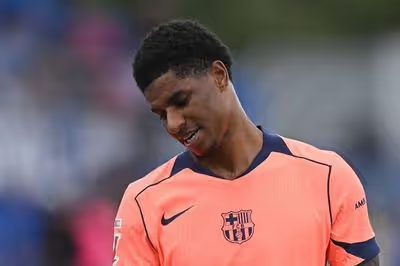
Marcus Rashford faces a decisive summer after a productive yet unsettled loan at Barcelona, with Paul Scholes and Nicky Butt publicly doubting a Manchester United return. Barcelona balk at the reported £26m buy option, United prefer a sale, and limited starts under Hansi Flick mean Rashford must prioritise regular minutes to preserve his peak years and England prospects.
Rashford's crossroads: Barcelona loan ending, Manchester United sale preferred
28-year-old Marcus Rashford has enjoyed a statistical resurgence in Spain — 13 goals and 13 assists in 45 appearances — but his Barcelona future is anything but secure as the season ends and transfer decisions loom.
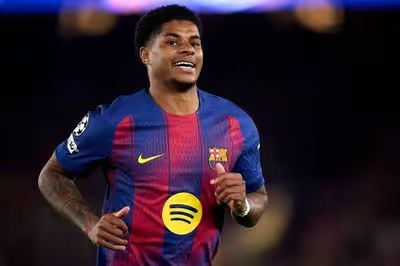
How we got here
Barcelona lead La Liga comfortably with five games to go, yet Rashford has not cemented a starting role. He has made 15 league starts this season, but only two in the last nine fixtures, limiting his influence under coach Hansi Flick.
Negotiations between the clubs have reportedly stalled. Barcelona are said to be reluctant to trigger a reported £26m buy clause and prefer a fresh loan agreement, while Manchester United are pushing for a permanent sale. Rashford still has two years left on a contract worth around £325,000 per week, complicating United’s planning and any potential deal.
Voices from Old Trafford: Scholes and Butt weigh in
Former United midfielders Paul Scholes and Nicky Butt have publicly stated they would not want to see Rashford return to Manchester United as a long-term solution. Scholes argued Rashford “will only ever be back‑up” to Barcelona’s established starters, naming players like Raphinha and Lamine Yamal as primary options.
Butt stressed the importance of regular football for Rashford’s best form, saying the forward needs a club where he’ll play every week to rebuild confidence and deliver consistently.
Why this matters for Rashford and the clubs involved
The next move will define Rashford’s peak years. At 28, consistent minutes are crucial for maintaining form, England selection prospects and market value. Remaining a rotation option at Barcelona risks stalling momentum; returning to a peripheral role at United would be politically and practically awkward for all parties.
For Barcelona, a reluctant permanent purchase would be a financial commitment that must be justified by either long-term fit or resale value. For Manchester United, selling now could free up wages and transfer budget, but they risk losing a homegrown talent who still has the potential to be a high-impact player.
Realistic pathways
Stay at Barcelona on terms that guarantee more starts — unlikely unless personnel or tactical shifts occur. Permanent move away — United want to sell; clubs willing to offer guaranteed minutes and absorb wages are prime candidates. Another loan — a temporary fix that delays a final decision but could offer playing time and a shop window.
Clubs such as Aston Villa or other Premier League sides that can promise a key attacking role would fit the profile Scholes and Butt described. A return to the Premier League would also let Rashford assert himself in a familiar environment and maintain England visibility.
What to watch next
Transfer posture between Barcelona and United will be decisive: willingness to meet a fee, structure of wages, and guarantees over playing time. Rashford’s public tone and representatives’ signals in the coming weeks will indicate appetite for a permanent exit versus another temporary arrangement. Barcelona’s final fixtures and selection trends under Hansi Flick could also tilt the scales if Rashford finishes strongly and demands a clearer role.
Bottom line
This is a pivotal summer for Marcus Rashford. The statistical rebound in Spain proves he can deliver, but limited starts and contractual dynamics mean he must prioritise a destination that restores his role as a regular starter.
How United and Barcelona resolve the financial and sporting impasse will shape not just Rashford’s next season, but the trajectory of his peak years.
 Mirror