Hydration breaks and a 48‑team expansion have drawn headlines, but early matches have delivered compelling football: marquee players asserting themselves, VAR operating more smoothly than many expected, and underdog moments adding drama — turning controversy and logistical headaches into a tournament that, so far, entertains and justifies a riskier World Cup format.
World Cup entertainment outpacing off-field controversy
Hydration breaks, ticketing scandals and venue logistics were always going to dominate headlines entering this World Cup. Instead, the football itself — bold tactics, high-profile performances and a string of memorable moments — has become the dominant story.
That shift matters: when spectacle on the pitch outshines administrative chaos, public and commercial narratives follow.
Hydration breaks: nuisance or necessary interruption?
Hydration breaks were introduced amid debate, and initial outrage felt theatrical given the long lead time before the tournament. They do interrupt flow, but in practice they have been short, predictable pauses that give teams a tactical breather and fans a moment to regroup.
They are tournament-specific, largely a broadcast-driven concession, and unlikely to become a staple of domestic leagues. For now, they are a minor irritation — easily tolerated because the matches between those pauses have been compelling.
Match rhythm, substitutes and modern football
Continuous play is already a relic: expanded substitution allowances, tactical time-wasting and VAR stoppages have altered football’s rhythm for years. The current tournament accentuates those trends. Coaches manage 90-minute blocks differently, rotating players more aggressively and treating each period as a mini-game. That has produced adventurous starts from many teams, with managers willing to gamble for early points in a format that rewards a single victory more heavily than older editions.
VAR and discipline: smoother than some feared
VAR’s handling in the opening fixtures has been cleaner than many anticipated. Quick, decisive interventions helped maintain control without clogging the spectacle. The early figures on dismissals and disciplinary incidents suggest a calm tournament so far — a sign that technology, when properly integrated, can reduce flashpoints rather than inflame them. That said, VAR will always be judged on marginal calls; consistency remains the watchword for the knockout stages.
Goalkeeping errors and the entertainment dividend
A recurring narrative has been the mixture of brilliant attacking play and occasional goalkeeping lapses. Where elite forwards have seized the moment, a handful of keepers have compounded pressure with uncharacteristic mistakes. Those errors can skew results and provoke criticism, but they also create headlines and emotional responses — the raw human drama that fuels compelling stories during major tournaments.
Marquee players making early statements
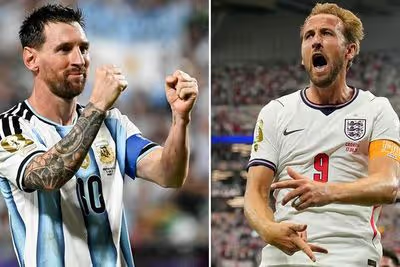
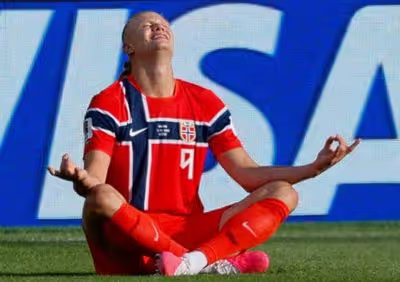
The tournament’s biggest names have largely responded. Lionel Messi and other elite attackers have produced moments that underline their enduring influence; Harry Kane, Kylian Mbappé and Erling Haaland have also stamped matches with game‑changing contributions. Cristiano Ronaldo’s start has been quieter relative to some rivals, but in a long tournament there is room for reinvention. Early form matters for momentum, but it is not destiny.
Underdogs and expanded-format drama
The 48‑team expansion has its critics, yet it has delivered entertaining subplots. Smaller nations and veteran players have enjoyed their moments under the global spotlight — clean sheets against heavyweights, equalizers that ignite stadiums, personal milestones that resonate. Those flashes of joy help justify the inclusion argument: more teams mean more stories, more surprises and a broader global engagement.
Why this early pattern matters
When a tournament begins amid controversy, on-field quality becomes a reputational lifeline. So far, the football has done that work. Efficient VAR management, compelling attacking play and a willingness from underdogs to risk everything early have created a narrative of entertainment and unpredictability.
That does not erase legitimate concerns over logistics, access and costs for supporters, but it does shift public attention back to why the World Cup matters.
What could change and what to watch next
The dynamics can and will evolve. Tournaments often tighten as stakes rise; niggle, tactical conservatism and fatigue can dampen early adventure. Goalkeepers may regain form, and VAR controversies could resurface around high-stakes knockout ties.
Key indicators to monitor: whether attacking intent holds as the group stage progresses, how VAR handles marginal knockout calls, and whether expanded participation continues to produce meaningful competitive balance.
Bottom line
This World Cup’s early chapters have vindicated aspects of the tournament blueprint that were questioned off the bat. Entertainment, drama and big-name contributions have outweighed many logistical grievances in the public eye.
Mapped: England's likely path to the World Cup 2026 final — opponents and scenarios
The real test comes when the margin for error narrows: if the football remains bold and VAR stays consistent, the tournament will be remembered for its moments rather than its controversies.
 Mirror