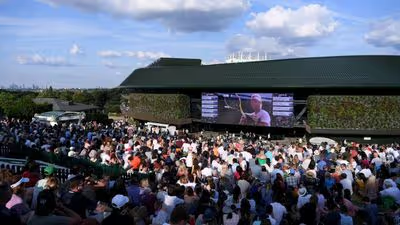
Wimbledon’s All England Club will ban live World Cup broadcasts on on-site screens during the Championships, prioritising uninterrupted tennis for spectators. While fans can stream matches on personal devices, no public screens will show football across the grounds between June 29 and July 12, a move the club says preserves the tournament’s atmosphere.
Wimbledon to block World Cup on-site screens during Championships
Wimbledon’s organisers have confirmed there will be no live World Cup football shown on the grounds’ screens during the Championships. From June 29 to July 12 the All England Club (AELTC) will display only live tennis on its public screens, leaving fans who want football to watch on their phones or find nearby pubs.
What the policy covers
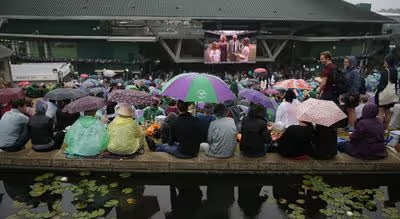
The ban applies to all official screens and scoreboard displays around the grounds. Personal mobile streaming is permitted and spectators will not be prevented from viewing football on their own devices. The decision is specific to the screens that form part of the site’s fan experience rather than a ban on fans following the tournament altogether.
Why Wimbledon is shutting out the football
AELTC officials say the move is intended to protect the championships’ focus and atmosphere. With the World Cup running concurrently and multiple knockout games kicking off before Wimbledon’s 11pm curfew imposed by Merton Council, the club faces a clash of competing live events. By keeping the site’s visuals dedicated to tennis, Wimbledon aims to preserve sightlines, crowd energy and the uninterrupted attention of on-site spectators.
How organisers justify it
AELTC leadership has framed the policy as practical and fan-focused: the Championship experience centres on live tennis, and the public screens are part of that controlled environment. The message is clear — celebrate the wider summer of sport, but when you’re at Wimbledon you should expect to be immersed in tennis first.
What this means for fans and atmosphere
Fans who planned to catch England or other national teams between matches will need to make alternative arrangements. Nearby pubs and fan zones remain options, and personal devices provide a legal workaround. For those inside the grounds, the absence of pop-up football screenings preserves the traditional tennis ambience — quieter courtside moments, fewer interruptions and a more consistent broadcast and sponsor experience.
Practical implications on match days
Several World Cup knockout fixtures begin early in the evening, potentially overlapping marquee Wimbledon matches. The decision reduces the risk of mass movement around the grounds or sudden eruptions of attention during crucial points in tennis matches. It also simplifies stewarding and reduces the pressure on site operations managing dual-sport crowds.
Context and precedent
Wimbledon has adopted similar policies during previous international football tournaments, reflecting a consistent philosophy: the club controls on-site visual presentation to prioritise tennis. This stance balances respect for global events with the duty to deliver an iconic tennis championship uninterrupted by external live broadcasts.
What could change in future years
The rise of ubiquitous mobile streaming weakens the practical enforceability of venue-wide broadcast blackouts, but organisers retain the right to curate the on-site experience. Expect Wimbledon and other major venues to continue refining how they manage overlapping global sporting events, balancing fan choice with brand, broadcast and operational priorities.
Final take
The AELTC’s policy is straightforward and arguably sensible: when you buy a Wimbledon ticket, you’re choosing an immersive tennis experience. That focus preserves the tournament’s character and avoids the cultural tug-of-war that simultaneous global spectacles can create.
Fans who want both will need to juggle schedules — or simply watch one on the walk to the pub.
 The Sun