


Real Madrid have opened talks to sign Rodri from Manchester City, but with the Spain World Cup player of the tournament facing back surgery and only 12 months left on his contract, City would be wise to stand firm. Losing the midfield metronome would destabilise Enzo Maresca’s first season and force expensive, disruptive recruitment unless Madrid match a premium valuation.
Rodri transfer interest: the essentials
Real Madrid have made an approach for Rodri, with discussions reportedly centered on a fee in the region of £42m. The 30‑year‑old midfielder has one year remaining on his Manchester City contract and recently earned player of the tournament honors as Spain won the World Cup.
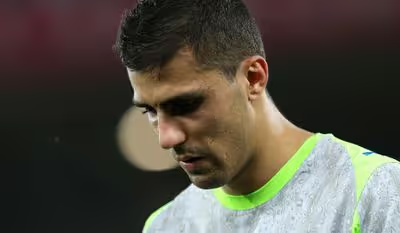
City face a question: cash in now or keep a world‑class pivot through a transitional season.
Contract, injury and timing
Rodri is due to undergo surgery on a back issue in the coming days, leaving his return timeline uncertain. That medical factor complicates any transfer decision: a buying club risks paying for a player who will miss time, while City risk losing their midfield linchpin for little if they accept a low fee rather than running down his contract.
Valuation debate
At 30, Rodri sits at an awkward crossroads for valuation. Clubs can argue age and injury should depress the price; selling now would lock in immediate funds. But City also possess the leverage of sporting continuity: Rodri’s proven influence on teams that win silverware makes him worth a premium in both on‑field and leadership terms. A low offer would be a bargain for the buyer and a strategic error for City.
Why Manchester City should resist selling
Rodri is more than a holding midfielder; he is the metronome who dictates tempo, shields the backline and provides leadership in big matches. His World Cup form emphasised that influence against top opposition. For a new manager — Enzo Maresca — entering his debut season, retaining an experienced control point preserves tactical stability and buys time to integrate younger signings.
Replacement complexity
City have already invested heavily this summer, notably signing Elliot Anderson in a significant deal, but like‑for‑like replacements for Rodri are rare and costly. Midfield dynamics are delicate: swapping one anchor for another risks short‑term dysfunction. Keeping Rodri mitigates that risk and maintains a platform for the rest of the squad to perform.
What Real Madrid would gain — and the wider implications
For Real Madrid, signing Rodri would be a high‑impact move: a tactically intelligent, deep‑lying midfielder who can link defence and attack and bring international pedigree. For Rodri personally, a return to Spain would carry narrative weight. But Madrid must weigh medical uncertainty and City’s bargaining position. If they underpay, the transfer would be shrewd; if they meet a premium, it signals desperation and begins a pricey midfield arms race.
Strategic outcomes and next steps
Expect negotiations to stall until Rodri’s surgery and recovery are clearer. City can realistically defer a final decision until January or the season’s end, using sporting form and medical updates to preserve leverage. If Rodri pushes to move, a midseason transfer window is the likelier moment for concrete movement, but any sale should reflect his tangible value to Manchester City’s immediate and long‑term plans.
Conclusion — the prudent path for City
Selling Rodri now would be short‑sighted. His leadership, World Cup‑proven quality and role in a team entering a managerial transition give Manchester City strong reasons to hold firm unless Real Madrid meet a true market price that compensates both his form and the uncertainty around his recovery.
FA urged to threaten 2027 Women's World Cup boycott to stop FIFA sell-off
For City, patience is the smarter trade asset.
 Yahoo! News


