


Team USA’s 16-pitcher, 14-position roster for the 2026 WBC strengthens pitching depth and reduces lineup churn. Bettors should favor the U.S. in early moneylines and consider under (low total) bets when Skubal or Skenes start, while futures on Team USA remain attractive given elite rotation and improved matchup flexibility.
Team USA final roster: Depth, versatility and a pitching-first approach
Two weeks before the World Baseball Classic opener, Team USA’s roster is essentially set. Manager Mark DeRosa elected to carry 16 pitchers and 14 position players — a noticeable shift from 2023’s 15/15 split — signaling a clear emphasis on pitching depth and matchup flexibility. With superstar MLB bats intact and an upgraded mound corps, the U.S. projects as one of the tournament favorites.
Roster changes from 2023: Why the extra arm matters
The biggest move is swapping a third catcher for an eighth bulk arm. Rather than carrying a seldom-used third backstop, the staff added an extra pitcher to cover innings and long relief. Catching duties will be handled by two main starters, reducing the need for a third catcher who rarely played in the previous tournament. The roster also adds lefty-hitting depth and a switch-hitter, giving the lineup better protection against southpaw starters.
Infield alignment and lineup projections
Bobby Witt Jr. is expected to take over at shortstop and lead off, removing the pinch-running-only role he held in 2023. That opens two starting spots at second and third for Gunnar Henderson, Brice Turang, Alex Bregman and Ernie Clement. DeRosa can mix left-right tandems, prioritize defense, or prioritize offense depending on the matchup. Versatility in that quartet gives the manager multiple logical plans rather than a forced starter carousel.
Lineup continuity vs. role players
Expect more continuity than in 2023. One fewer hitter and additional role players mean less nightly shuffling. Stars such as Aaron Judge, Bryce Harper and Kyle Schwarber figure to be everyday presences, while bench pieces like Pete Crow-Armstrong will be reserved mostly for pinch-running and late defensive replacements. Paul Goldschmidt’s role will be situational, especially against left-handed pitching.
Starting rotation: Skubal and Skenes set the tone
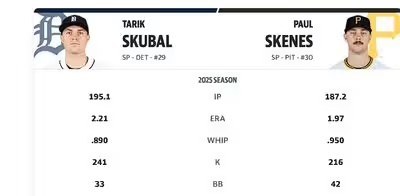
Team USA’s rotation is a clear strength. Tarik Skubal and Paul Skenes anchor the staff, supported by Logan Webb, Nolan McLean and Joe Ryan. That combination offers both power and command, and DeRosa will likely stagger his top arms to maximize availability for the semifinal and final rounds. Expect Webb and Ryan to get pool-play openings, with McLean available for either a spot start or extended relief when needed.
Projected rotation strategy
A plausible plan puts Skenes and Skubal on track to start the semis and finals, with Webb and Ryan taking earlier pool games. McLean, along with versatile swingmen, provides multi-inning relief that can bridge to high-leverage arms. The depth allows DeRosa to avoid overworking any single starter in pool play while saving top arms for knockout games.
Bullpen composition and leverage roles
While the bullpen may not be a dramatic upgrade over 2023’s depth, it remains strong. High-leverage pieces include David Bednar and flamethrower Mason Miller, with Brad Keller, Griffin Jax and Garret Whitlock in the next tier. Left-handed matchup options come from Gabe Speier and Garrett Cleavinger. Clayton Kershaw’s presence is mostly for innings and leadership rather than late-game closing duty.
How high-leverage innings might be allocated
DeRosa is likely to deploy the top-tier relievers late in close games, with Bednar and Miller getting the most critical outs. Multi-inning bridges from the back of the rotation and swingmen will be vital if starters are limited. Southpaw matchups will feature Speier or Cleavinger, preserving righty power arms for right-handed heavy lineups.
Managerial options and matchup flexibility
The roster construction gives DeRosa a variety of tactical options: switch in defensive specialists late, ride a hot bat against particular pitchers, and use left-right platoons to neutralize opponent strengths. The extra pitcher allows for more conservative starter usage in pool play, keeping elite arms fresh for elimination rounds.
Betting implications and tactical tips
Team USA’s rotation makes them a strong favorite in early rounds; backing the U.S. on moneylines in pool play is reasonable. When Skubal or Skenes are starting, consider under (low total) bets, as both suppress opponent offense. Futures on Team USA to reach semifinals or win the tournament have added appeal given pitching depth, while prop bets on starters’ innings might be safer than traditional save markets.
Bottom line
This iteration of Team USA leans into pitching depth without sacrificing offensive star power. The 16-pitcher, 14-position setup reduces lineup churn, increases matchup options and positions the U.S. as a betting favorite in many matchups.
Managerial decisions at second and third will be the primary infield storyline, but the tournament will likely be decided by the arms that can dominate the late rounds.
 Yahoo! News


