The Philadelphia Eagles fell 38-21 to the Dallas Cowboys at Lincoln Financial Field on Monday night, a loss that dropped the franchise to 2-5 and extended a five-game losing streak that has left the roster and coaching staff searching for answers.
Scoreboard and Defensive Woes
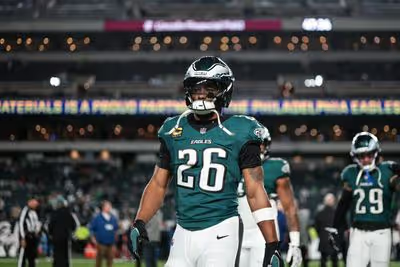
The Cowboys, who entered the game 2-4, put up 38 points against an Eagles defense that struggled to contain Dallas’ offense throughout the night. Philadelphia’s inability to slow down the visitors was decisive in a game that never swung back in the home team’s favor, and the margin underscored how far the Eagles have fallen from preseason expectations.
The defeat deepens an early-season slump for a club that now sits with just two wins. The defensive performance — surrendering 38 points to a Cowboys team that entered the night 2-4 — will be a focal point for coaches during the bye week and beyond.
Saquon Barkley’s Return: Efficient but Managed
Saquon Barkley returned to action after missing two games with a hamstring injury and delivered an efficient, if limited, workload. Barkley finished with seven carries for 62 yards and scored his first touchdown of the season. He also caught two passes for nine yards and played a total of nine offensive snaps, touching the ball on every play he was on the field.
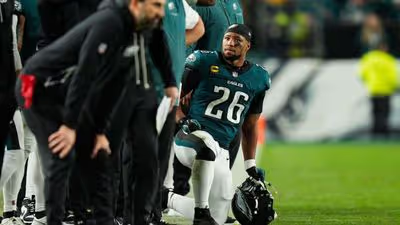
Barkley said his “hamstring came out great” after the game and added that he doesn’t believe a back issue will keep him out, remarks that will offer some short-term encouragement to Philadelphia’s offense. Still, the coaching staff clearly restricted his role: Barkley’s carries were limited and decreased further when his back tightened as the contest progressed.
The running back’s usage was notable in another way: he became the first NFL starter in the past 20 seasons to play at least nine offensive snaps in a game and register a touch on every one of them. That stat highlights both his efficiency and the club’s attempt to protect him while still leveraging his impact.
Barkley was visibly managing his physical state during the game, spending time in the medical tent and at one point stretching with trainers on the bench. The Eagles tried to limit his workload; he played nine snaps and finished with seven carries for 62 yards and a touchdown. After the game Barkley said his "hamstring came out great" and indicated he doesn't believe the back issue will keep him out.
Locker Room Tension and Accountability
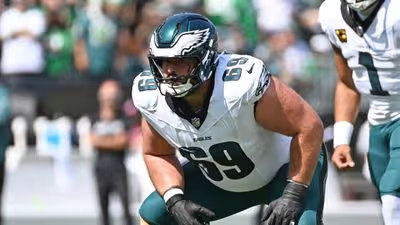
Alongside injury management concerns, the game produced sharp criticism from inside the team. There was a thread of self-blame among players after the loss; Landon Dickerson voiced frustration about his own play, saying he “let my guys down” and that he “wasn’t good enough,” comments reported by Yardbarker. The same outlet noted second-year linebacker Jihaad Campbell suggested he and his defensive teammates bore responsibility for the result.
Those remarks reflect a locker-room that is raw and searching for answers — a team confronting on-field mistakes while also coping with limited availability and managed workloads for key contributors. The combination of self-criticism and physical constraints has made it difficult for the Eagles to generate positive momentum over the past month.
Coaching and personnel decisions will come under increased scrutiny. For now, the primary, tangible takeaway is straightforward: Philadelphia’s defense yielded 38 points to a Cowboys team that came in with a 2-4 mark, and the offense has not been able to overcome those defensive lapses even when high-impact players like Barkley are on the field in limited roles.
The Eagles now face a pivotal stretch in which they must find answers to stop the skid. Barkley’s comments on his hamstring and back provide a sliver of optimism about his short-term availability, but the team’s broader injury management, line play and defensive execution will dictate whether that optimism can translate into wins.