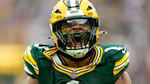
The Green Bay Packers left Detroit with a 20-17 loss to the Lions on Sunday, and the game’s closing sequence — punctuated by multiple roughing-the-passer penalties and a late unnecessary-roughness flag — dominated the postgame conversation. A roughing-the-passer call on a fourth-quarter sequence put the Lions in field-goal range and led directly to the last-second kick that decided the game. The result improved Detroit to 4-2 and left Green Bay in last place in the NFC North.
Players and coach react to the officiating
Locker-room reactions were sharp. Xavier McKinney unloaded on the officiating, saying, “It’s kinda [expletive] up the games if I’m being honest.” He criticized inconsistent enforcement and the lack of review on some calls, adding, “We’re not seeing the same calls for our quarterback.” McKinney said he’d accept a fine to call attention to what he described as a pattern of decisions that is “killing us.”
Head coach Matt LaFleur took a measured public tone but echoed frustration with how certain flags were handled. “Again, I can say what I really think, but I don’t think it does any good,” he said, noting he didn’t receive many explanations from officials during the game. LaFleur described one sequence from the sideline in which officials flagged Devonte Wyatt for unnecessary roughness on Amon-Ra St. Brown despite there being no whistle: “No whistle blown and the guy continued to run and our guy didn’t hear a whistle,” LaFleur said. “He continued to play too and then we get called for a penalty. So I don’t know, they were trying to tell me that the play was obviously dead.”
LaFleur acknowledged that publicly ripping officials likely won’t change outcomes but made clear the team felt the calls were decisive. Multiple roughing-the-passer penalties, along with the unnecessary-roughness flag on Wyatt, figured heavily into the narrative of why the Packers came up short.
Broadcast and social reaction amplified the controversy
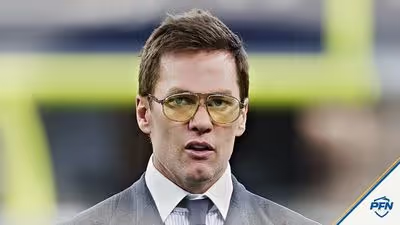
The scrutiny spilled onto the national broadcast and social feeds. On Fox’s game coverage, Tom Brady repeatedly questioned officiating decisions, visibly skeptical of at least one roughing-the-passer call that extended a Lions drive. The game also produced a high penalty count: the two teams combined for 13 penalties for over 130 yards.
Outside the booth, social commentators were equally blunt. Tanner Phifer reacted to a pivotal roughing-the-passer penalty with an exclamation calling it “THE WORST ROUGHING THE PASSER PENALTY in NFL HISTORY,” a post that captured the anger many viewers felt about the timing and impact of the call. The roughing call in question put Detroit into immediate scoring range, allowing the Lions to run out the clock and kick the game-winner.
Those broadcast and social takes mirrored what players and coaches described after the game: officiating that altered field position and clock management in the closing minutes.
How the calls changed the finish
Penalties already shaped momentum throughout the contest, but late-game enforcement had the most direct impact on the scoreboard. A roughing-the-passer flag erased what would have been a fourth-down stop and instead awarded an automatic first down; the drive that followed culminated in the last-second field goal. Separately, the unnecessary-roughness flag on Wyatt created immediate controversy because LaFleur and teammates believed no whistle had stopped play.
McKinney criticized the lack of review on some of those judgments, saying, “Then you’re not even reviewing the calls. You’re just making them, and when you point it out, there’s always an excuse.” LaFleur’s sideline perspective reinforced that sequence-level confusion: players continued to play through the action, only to see a flag assessed afterward.
Whether through inconsistent whistles, roughing-the-passer enforcement or post-play flagging, the game’s officiating footprint was impossible to separate from the final outcome in the view of the Packers’ locker room — and a large portion of the broadcast audience.
For the Lions, the benefit was clear: the drive extended by the roughing call put them in position to kick a game-winner and move to 4-2. For the Packers, the loss dropped them to the bottom of the division and left questions about whether officiating decisions materially altered the trajectory of a tightly contested NFC North matchup.
Both sides left the field with grievance and consequence: Detroit held a narrow victory and a late boost; Green Bay was left weighing whether public criticism or quiet protest is the better path after a game in which calls changed field position, clock and, ultimately, the scoreboard.