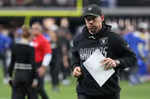
On Tuesday the Indianapolis Colts traded eight-time Pro Bowl guard Quenton Nelson to the Seattle Seahawks for a 2027 third-round pick and a 2028 fifth-round pick. The move underscores Seattle’s decision to add established talent while Indianapolis pivots toward acquiring draft capital as it begins a rebuild.
What Seattle Gains and Pays For
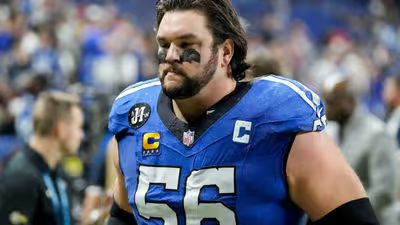
The Seahawks surrendered a 2027 third-round pick and a 2028 fifth-round pick to acquire Nelson, an eight-time Pro Bowl guard, adding established, high-end experience to Seattle’s roster.
That calculus — sacrificing draft depth for veteran talent — is a recognizable path for teams aiming to shorten the window to contention or to address a roster need with a known quantity rather than a prospect. The trade gives Seattle a ceiling established in the league, and the team now must integrate that piece into its roster construction and salary planning in the near term.
Why the Colts Moved On
For Indianapolis, the transaction was explicit: the club is acquiring draft capital as it retools. After a 2-5 start, the Colts opted to move Nelson, who was in the final year of his deal, in order to gather picks for the next iteration of the roster. The two picks received — a 2027 third-rounder and a 2028 fifth-rounder — provide incremental opportunities to restock talent or to package for other moves as the front office maps a rebuild.
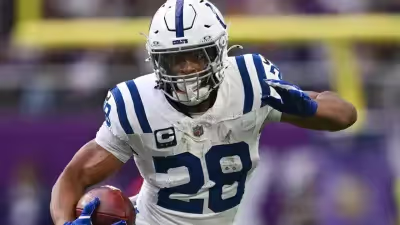
The trade came alongside other roster shifts that underline that direction. The Colts also moved DeForest Buckner to another team, a pair of veteran departures that together point toward a deliberate reset rather than a sell-off for immediate cap relief. Meanwhile, the organization has retained core pieces: one notable example is Jonathan Taylor, whose recent two-year extension keeps him under contract through 2028 and suggests the Colts intend to build around selected retained assets while retooling elsewhere.
Immediate Questions for Both Clubs
Seattle’s challenge now is practical: integrate a high-profile addition and balance the short-term competitive upgrade against the future draft capital it surrendered. For Indianapolis, the questions are structural — how the club will use the picks, which roster spots will be prioritized in the upcoming drafts, and how retained veterans fit into a longer-term rebuild plan.
At its core, the Nelson trade is a transactional snapshot that exposes differing timelines. Seattle invested in immediate proven talent; the Colts converted a veteran asset into future flexibility as they reset. How each side executes next — through drafts, further trades, or internal development — will determine whether this exchange favors the buyer or the seller down the road.