The Seattle Seahawks have acquired All‑Pro Quenton Nelson from the Indianapolis Colts in a trade that immediately reshapes the Seahawks' offensive-line outlook. Nelson is on an expiring contract, and the Colts traded him to get draft capital rather than risk losing him in free agency.
What Seattle gains
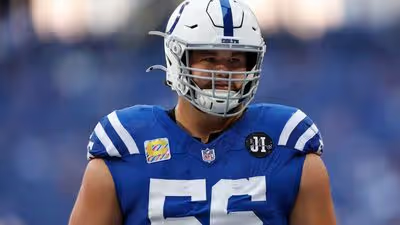
The Seahawks' front office made the transaction with clear short‑term intent: add proven talent to a unit that has been hampered by injuries. Seattle will pay the remaining $9.78 million on Nelson's contract, a financial detail reported as part of the deal.
Nelson arrives as an established All‑Pro and eight‑time Pro Bowl selection who was taken No. 6 overall in the 2018 NFL Draft. The acquisition provides immediate depth and veteran presence up front at a time when the Seahawks have been operating without Anthony Bradford for multiple weeks because of hip and knee injuries, a team‑health issue noted in coverage of the move.
Those internal availability problems help explain Seattle's urgency. With Nelson on the roster, there is reason to expect a steadier foundation for both pass protection and the run game; Sports Illustrated characterized that outcome as a projection, saying Nelson gives the Seahawks "a better chance to have a more well‑rounded offense." That remains a forecast rather than a proven result, but it frames why Seattle prioritized this addition before the trade deadline.
Why the Colts traded Nelson and what they received

The Colts elected to move Nelson as they weigh roster construction ahead of the trade deadline. Nelson is on an expiring contract, and Indianapolis decided to secure draft capital now rather than risk losing him in free agency, a calculation reported in the aftermath of the deal.
Seattle sent a third‑round pick and a future fifth‑round pick in exchange, according to reporting on the transaction. One report, citing a league source, specified the compensation as a 2027 third‑round pick and a 2028 fifth‑rounder and noted the deal had not yet been completed.
For the Colts, obtaining midround picks buys flexibility. Moving an eight‑time Pro Bowler before his contract expires lets Indianapolis control how it replenishes the roster in the near term instead of waiting for compensatory pick mechanics to play out in a subsequent offseason.
Immediate roster and strategic implications
For the Seahawks, the most tangible short‑term effect is on depth and availability. Paying the remainder of Nelson's contract signals a willingness to absorb salary this season to bolster the offensive line now, rather than deferring investment. That underscores Seattle's competitive posture as the trade deadline approaches.
For Indianapolis, the trade is a classic deadline pivot: convert a high‑value veteran asset who could depart in free agency into draft capital that the club can use to restock talent through the draft or package in future deals. The decision reflects a roster calculus tied to contract timing rather than an indictment of Nelson's on‑field performance; reports note he remained productive even as Indianapolis navigated a difficult start.
How quickly Nelson impacts Seattle's offense will depend on scheme fit, pass‑rush matchups, and the health of the Seahawks' existing line group. Analysts projecting an upgrade to the run game describe that as a likely outcome given Nelson's resume, but those assessments remain projections until the film and results bear them out on the field.
On balance, the trade delivers a veteran cornerstone to a Seahawks line that has needed reinforcements, while giving the Colts controlled compensation for a player who could otherwise have left in free agency. Both clubs appear to have achieved distinct short‑term objectives: Seattle added a high‑level piece now, and Indianapolis secured draft assets to shape its next steps.