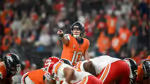
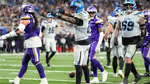
The Minnesota Vikings fell 19-15 to the Detroit Lions on Sunday, and attention immediately turned to Kyler Murray as the standout story from the game. The final score masked a broader offensive slog: Minnesota possessed the ball for just 24:17, constraints that helped keep the Vikings from finishing drives against a divisional opponent.
Questions about Murray's consistency and decision-making
Postgame analysis pointed squarely at Murray's decision-making as a central concern. Yardbarker's game breakdown said the "biggest talking point" was what’s happening with Murray and catalogued a series of issues on passing downs: Detroit often dropped eight into coverage, and on multiple occasions Murray "couldn't find anyone," the piece argued. That report also said he failed to work through progressions, didn't get the ball out quickly enough and took sacks at key moments.
Those critiques extended to attempts aimed at Justin Jefferson. Yardbarker called "in-breakers to Justin Jefferson" the most frustrating part of the day, noting at least one play in which Aidan Hutchinson was described as standing in a passing lane on a slant and that other routes created clear lanes that went unthrown. Those observations — presented as part of the outlet's analysis — raised questions about timing and anticipation in the passing game.
Not all commentary was categorical; Yardbarker acknowledged Murray "did some good things" in the contest, but framed the overall takeaway as growing impatience with inconsistency. That analysis suggested the team must either better tailor play-calling to Murray's current comfort level or stop running plays that require timing he currently lacks.
Offensive line, play-calling and an inability to seize the moment
The game narrative combined schematic and execution problems. The offensive line struggled to protect at times, contributing to sacks and to Murray's difficulties getting the ball out. Those protection lapses, together with Detroit dropping players into coverage, limited the Vikings’ ability to sustain rhythm in the passing game.
Beyond protection and throws that didn't connect, the Vikings' inability to control the clock deepened the problem. With less than 25 minutes of possession, Minnesota had fewer opportunities to mount long drives and put points on the board — a self-reinforcing shortcoming on a day when drives mattered most.
Run defense, the rushing attack and the context of Detroit's secondary
While the focus settled on Murray and the passing offense, Yardbarker's analysis flagged Minnesota's run defense in the second half as an underappreciated concern, saying it "got bullied" and deserved attention alongside passing-game questions. Those observations suggested that defensive struggles to stop the run allowed Detroit to sustain possessions and put the Vikings in catch-up mode.
Compounding the surprise of Minnesota's offensive shortfalls was the contextual reality of Detroit's pass defense earlier in the season. Through the first seven weeks, the Lions had allowed more passing yards and more passing touchdowns than any defense in football. Despite flashes when Minnesota's offense looked capable, the Vikings struggled to capitalize through the passing game: multiple times Detroit dropped eight into coverage and Murray couldn't find receivers, there were instances when Justin Jefferson was wide open and the ball never came, and several throws required anticipation that Murray hasn't shown lately.
Analysts covering the matchup framed the result as emblematic of a unit that can produce flashes of offense but lacks sustained execution. Yardbarker wrote that Minnesota has shown it "can cook on offense" at times, but was not doing so with consistency — and that the "grace period" for getting comfortable in the system is wearing thin when open targets go unthrown and passes sail over intended receivers.
The combination of limited rushing attempts, short possession time and contested passing situations created a narrow window for comeback attempts late in the game. Those factors, and the analytical focus on Murray, ensure the conversation after a 19-15 loss will center on whether the team can adjust protection, play-calling and timing to generate more reliable production.
Sunday's defeat leaves a series of tangible questions: can the offense find ways to sustain drives and protect its passer better? Will play design change to account for timing and anticipation concerns that analysts highlighted? For now, the immediate aftermath is dominated by one result and a set of pointed critiques aimed at execution in both passing and rushing phases — critiques that must be answered before the matchup rematch opportunity presents itself.